Attendees
Paris once again became the meeting place for Africa’s mining community as the 9th Mining On Top Africa (MOTA) Summit welcomed Ministers, senior government representatives, mining companies, investors, development finance institutions, geological surveys and international organisations from across Africa and beyond on 7–8 July 2026.
Against a backdrop of rising demand for critical minerals, record gold prices and increasing focus on resilient mineral supply chains, this year’s Summit reflected the changing priorities of Africa’s mining sector. Discussions focused on strengthening investment, advancing responsible resource development, expanding local value addition and positioning Africa more strategically within global mineral value chains.
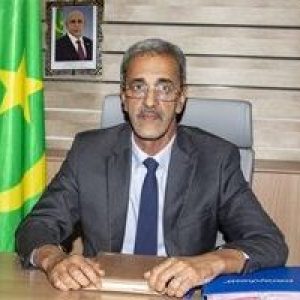
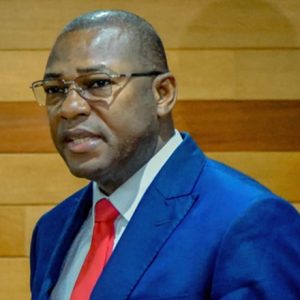
The Summit opened with a high-level Ministerial & Leadership Roundtable, featuring H.E. Edy Ould Zeine, Minister of Mines and Industry of the Islamic Republic of Mauritania, and H.E. Urban Fiacre Opo, Minister of Mining Industries and Geology of the Republic of Congo. Their discussions highlighted the importance of stable investment frameworks, regional cooperation, industrial development and policies that ensure Africa’s mineral wealth delivers lasting economic benefits for producing countries.
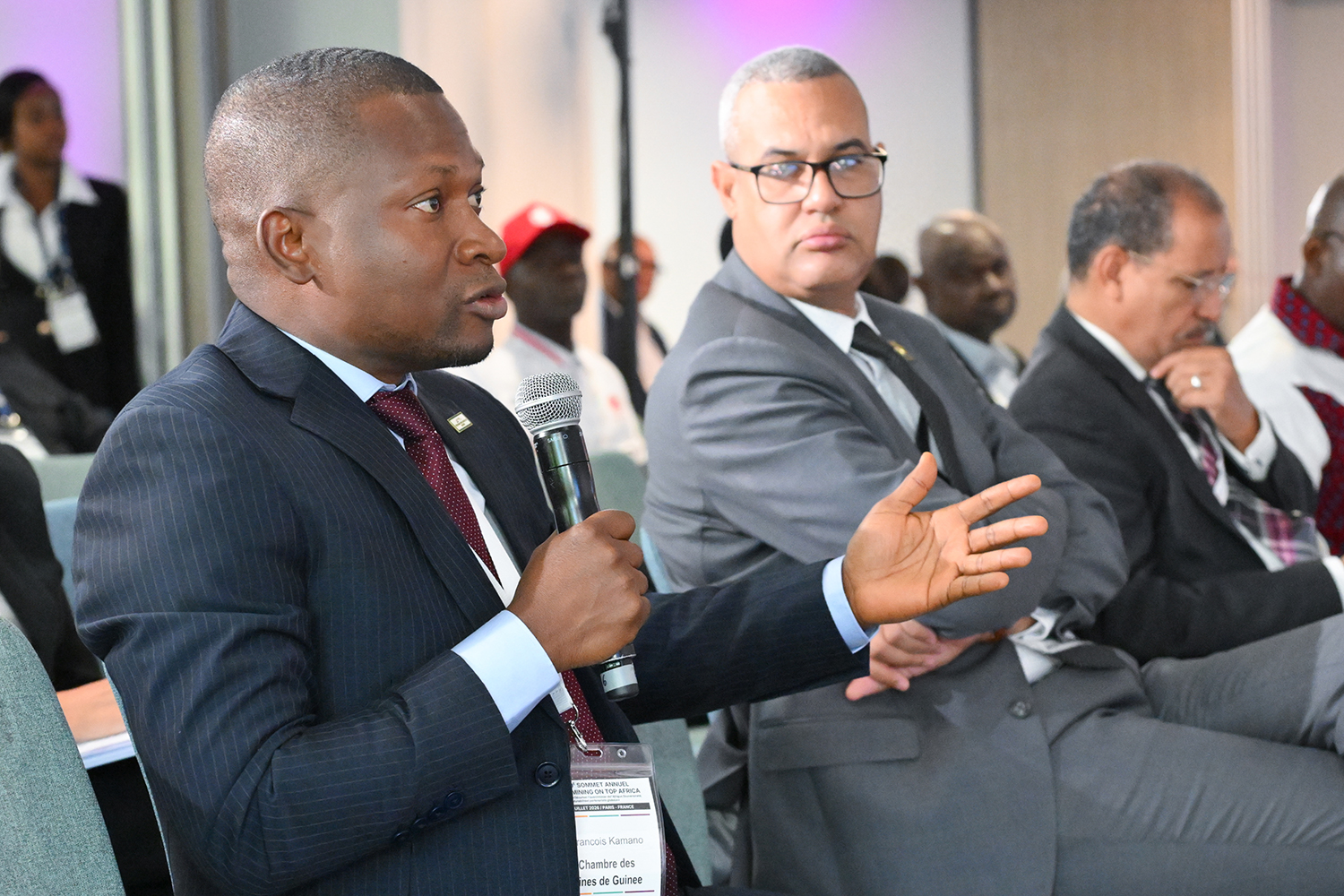
Over two days, delegates explored critical minerals, gold, project financing, geological cooperation, responsible sourcing, infrastructure, local content and downstream processing. Dedicated Country Focus Sessions showcased investment opportunities and strategic priorities in Mauritania, Côte d’Ivoire, Guinea and the Democratic Republic of Congo, reflecting the diversity and momentum of Africa’s evolving mining landscape.
Beyond the conference programme, MOTA once again delivered what has become its hallmark: high-level networking, strategic business engagement and meaningful dialogue between governments, investors and industry leaders.
New partnerships were initiated, investment opportunities explored and practical discussions held around the projects and policies shaping the future of African mining.
One message emerged consistently throughout the Summit: Africa is increasingly shaping its own mining future. Governments, investors and industry leaders are working together to strengthen partnerships, encourage responsible investment and create greater long-term value from the continent’s mineral resources.
Mining On Top Africa returns to Paris on 7 – 8 July 2027 for its landmark 10th edition, continuing the conversations, partnerships and investment opportunities that are helping shape the future of Africa’s mining industry.
We hope to see you there!
Meaningful Networking and Business Development
Business relationships remain at the heart of Mining On Top Africa. MOTA 2027 will feature enhanced networking opportunities, including business matchmaking, investor engagement sessions, networking receptions and dedicated meeting spaces designed to facilitate valuable connections and long-term partnerships.
Showcasing Africa’s Mining Success Stories
Expanded Country Focus Sessions will bring together governments, mining companies and industry leaders to showcase flagship projects, investment opportunities and national mining strategies. Through interactive panel discussions and practical case studies, delegates will gain valuable insights into responsible mining, downstream value addition, infrastructure development and the partnerships driving Africa’s next generation of mining growth.
Greater Government Engagement and Country Representation
MOTA 2027 will welcome an expanded delegation of African Ministers, government agencies and mining authorities, creating an unrivalled platform for policy dialogue, investment promotion and government-to-government engagement. Dedicated Country Focus Sessions will provide participating nations with the opportunity to showcase their mining strategies, flagship projects and investment priorities to an international audience.
Connecting Projects with Investment
The Summit will place an even greater emphasis on linking projects with capital. Mining companies, project developers, institutional investors, development finance institutions, export credit agencies and strategic partners will come together to explore new opportunities, accelerate project development and strengthen investment across Africa’s mining value chain.
Expert Insights into Markets and Industry Trends
Leading economists, commodity analysts, geological surveys, financial institutions and industry experts will provide delegates with the latest intelligence on commodity markets, investment trends, policy developments and emerging opportunities. Dedicated Commodity Focus Sessions will examine key sectors including gold, copper, critical minerals, iron ore, lithium, graphite, rare earth elements and other strategic resources shaping the future of mining.
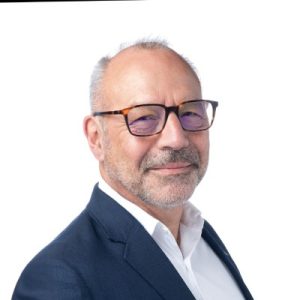
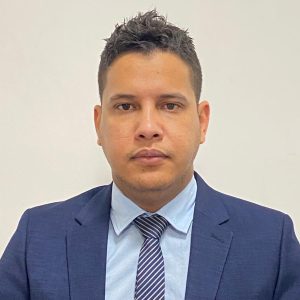
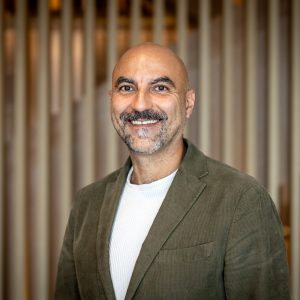
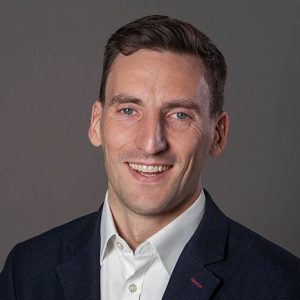
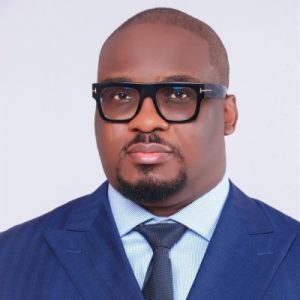
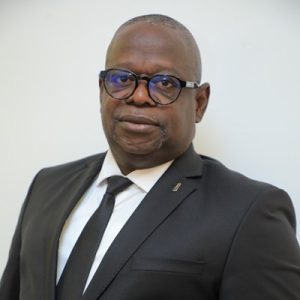
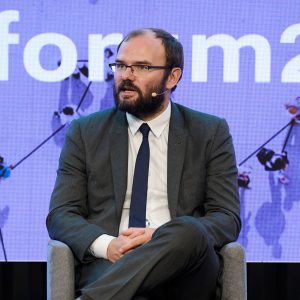
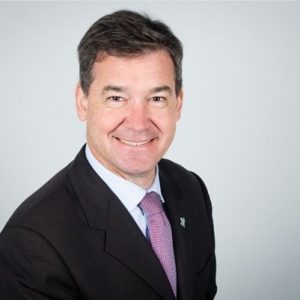
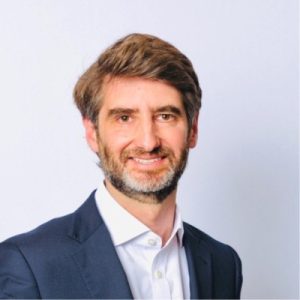
For my first time attending MOTA, I found the diversity of topics related to our mining activities to be very interesting. We started with highly technical subjects, but also non-technical ones that are essential to our operating license. When we talk about local content, improving the value chain, and increasing economic benefits for African countries, these are real issues facing the continent today. I also found there was a rather interesting approach between the different countries, trying to see what others are doing and what are the best practices. It's true that in two days, we can gain a fairly comprehensive overview of what's happening today on the continent in the mining sector, the concerns of states and stakeholders, and strategic issues such as financing. For me, who is new to this sector, it's a crash course to understand all these issues. Diversity and cross-disciplinary topics: these two days offer a real wealth of insight.
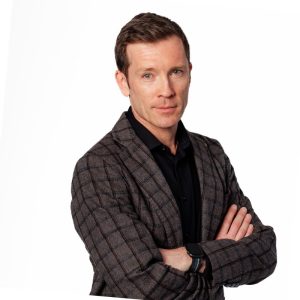
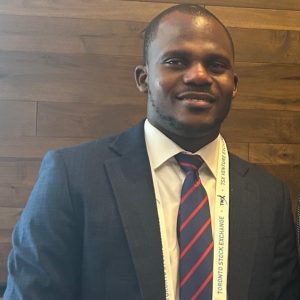
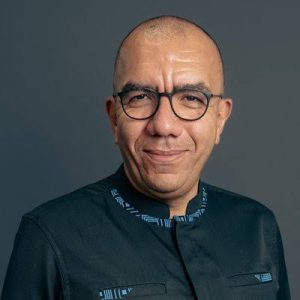
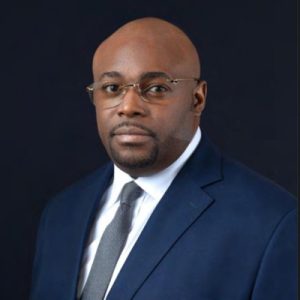
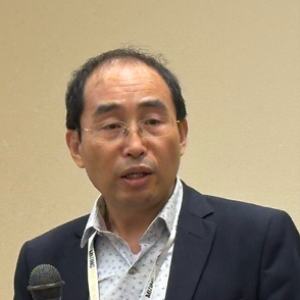
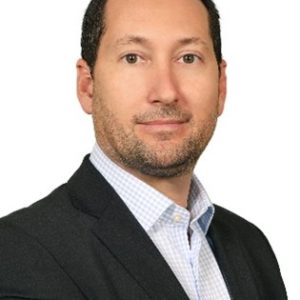
This is my second or third MOTA. The big advantage of this event is that it's on a human scale, with very high-level attendees, allowing us to meet real institutional stakeholders, whether department heads or ministers, and to discuss very concrete topics with them, which isn't the case at most traditional mining conferences like the Indaba in South Africa.
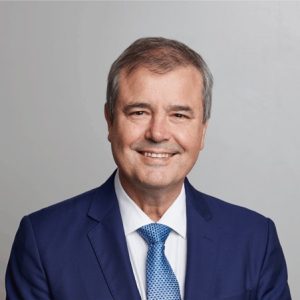
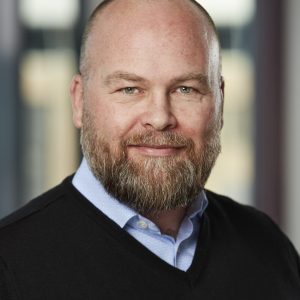
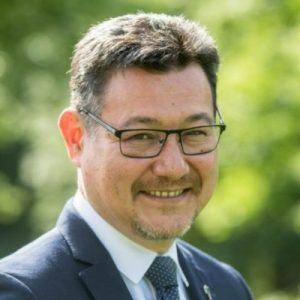
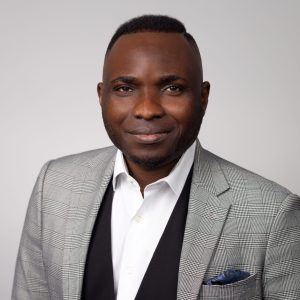
So, this is a real added value of this conference, with its great diversity of topics, high-level panelists, and therefore a great wealth of experience in two short days. We really have the opportunity to gain very important information, to build relationships and bridges, as well as to strengthen the desire for cooperation between all parties. And, in all the sessions, we see different African countries saying, "We have the same problems, we must work together." Which is very good.
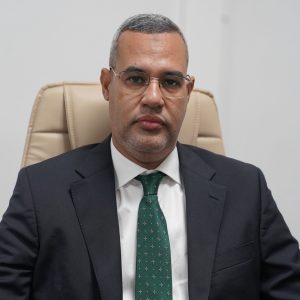
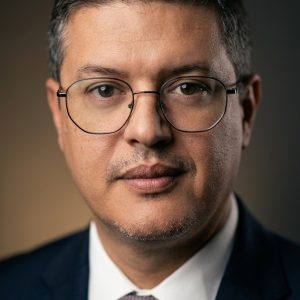
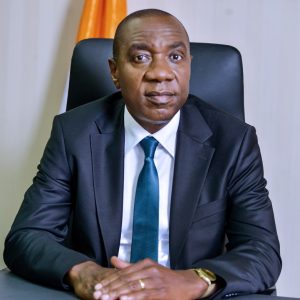
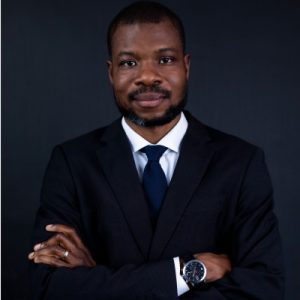
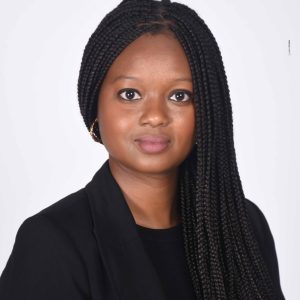
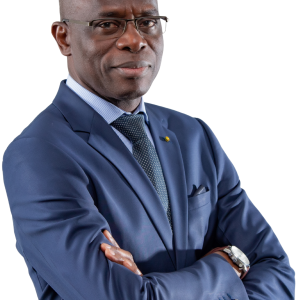
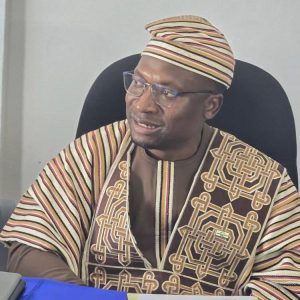
It was truly a very good meeting. The MOTA gave us a very good impression of the progress not only of projects in our African states, but also of the financing method, which has become a real obstacle to the development of the mining sector. In the current context, critical metals are certainly critical for the North, but not for us Africans. What is critical for us is the construction of infrastructure, whether rail, road, or energy, which is a concern for our populations today. Therefore, the debate must be refocused to see how to support our states in the construction of infrastructure, because we need funding for geological research. If there is no research, there are no results, it means there are no mines. So it all starts there. I sincerely wanted to thank AMETrade through Mr. Dan and the entire team behind it. The organization was impeccable. Many African states responded, but the setting was also ideal and the reception truly welcoming. Everything was perfect!
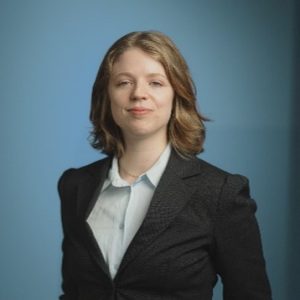
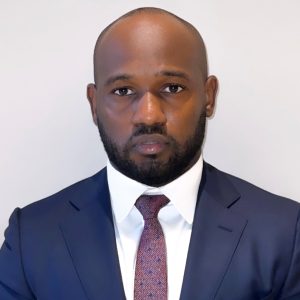
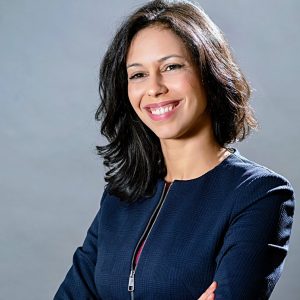
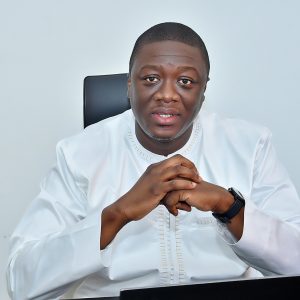
I've participated in previous editions, and I think it was much better organized. The topic is really relevant because we've talked a lot about the importance of geological research. For some time now, at all the conferences I've attended, both speakers and participants have highlighted this problem of access to data. Because data, especially geological data, is the basis of all mining and oil operations.
This has been strongly highlighted, and I hope our countries will take the necessary steps. Especially since the African Union, with the establishment not only of the vision, but also of the African Mineral Resources Development Center, has highlighted the importance of mineral resources for the benefit of communities. So they have developed tools that African states must use not only for estimating resources and reserves, but also tools that, unlike those that exist elsewhere, address not only the economic aspect of resources, but also the social and environmental aspects.
All of this came out in the discussions. It was really interesting, and there are many areas of collaboration that can emerge from it, especially the sharing of best practices. Today, we are going to talk about cadastre and geodata, themes that increase the confidence that investors have in a state.
Join the MOTA Community
For almost a decade, Mining On Top Africa has brought together governments, mining companies, investors, development finance institutions and industry leaders to shape the future of Africa’s mining sector.
We extend our sincere thanks to every Minister, speaker, sponsor, partner, exhibitor and delegate who has supported MOTA over the past nine editions. Your trust, expertise and commitment have helped establish the Summit as one of Africa’s leading international mining investment platforms.
As we celebrate our 10th edition in 2027, we invite you to be part of the next chapter. Whether through sponsorship, speaking, exhibiting or attending, MOTA offers a unique opportunity to build relationships, showcase your organisation and contribute to the conversations driving Africa’s mining future.
Cement your status as a prominent player in Africa’s mining industry by sponsoring the event. Our team is on standby to create a tailored sponsorship package to suit your requirements and provide value for money through enhanced brand visibility, networking opportunities, dedicated country focus sessions or showcase your product and services to a targeted audience

Want to hear about sponsorship opportunities at MOTA France 2027?